South Africa is popular among international property investors seeking lifestyle perks, value for money, and capital growth. Property investment in South Africa is relatively affordable for foreign nationals compared with cities like London, Dubai, or Sydney.
Cape Town, and more specifically the Western Cape, are strong drawcards. This is because of the attractive lifestyle and demand from tourists. There is reliable demand from local and international tenants.
If you’re considering purchasing property in Cape Town as a foreign investor, understanding the buying process is essential. We spoke with Carin Harris, a Property Practitioner at IGrow Real Estate International, who regularly assists international buyers through the South African property purchase journey.
Can foreigners buy property in South Africa?
International buyers often ask, “Can foreigners buy property in South Africa?”
“Yes, they can. Nationals can legally purchase residential and investment property, and they don’t need citizenship or permanent residency.”
“Foreign individuals and entities are broadly permitted to purchase and hold property in South Africa. There is no general prohibition based on nationality, meaning non-residents can acquire real estate.” (Source)
South Africa is seen as an open market for international property investors. There are no restrictions on foreign ownership of homes or flats.
On the other hand, can foreigners buy property in South Africa? is a simple notion, and it requires compliance with financial regulations. You also need identity verification (FICA). Exchange control rules govern how money enters and exits the country.
Expat-driven property demand in South Africa
In recent years, expat property investment in South Africa has grown significantly. This is driven by trends in remote work and lifestyle migration. Cape Town has become popular among digital nomads, retirees, and semi-permanent residents.
Expats prioritise:
- Secure lifestyle estates
- Lock-up-and-go apartments
- Coastal or mountain-view properties
- High-speed internet and remote work-friendly homes
Many investors use properties in season and rent them out when they’re not in use. Expat property investment in South Africa suits a lifestyle and income-oriented strategy.
Analysis of the property market shows continued global demand in hubs like Cape Town, Sea Point, Tableview and the Winelands. This is because of strong rental yields and tourism demand.
1. UNDERSTANDING FOREIGN OWNERSHIP RIGHTS
Before you begin property hunting, determine how you’ll hold the property.
A big perk of owning foreign property in South Africa is that non-residents have the same ownership rights as local citizens. IGrow Trusts specialises in helping foreign investors set up the optimal structure for their specific needs and circumstances. This step should happen before you make an offer on any property.
Action: Consult with IGrow Trusts to determine the best ownership structure for your situation.
STEP 2: OPEN A SOUTH AFRICAN BANK ACCOUNT
All foreign property investors must open a South African bank account to complete their purchase.
What You’ll Need:
- Valid passport
- Visa (if applicable)
- Proof of foreign address
- South African tax number (SARS)
- FICA compliance documents
This account will be used for all property-related transactions, including your deposit, bond repayments (if applicable), and ongoing costs like rates and levies.
Action: Open your South African bank account as soon as you’ve decided to invest.
STEP 3: UNDERSTAND SARB REGULATIONS FOR FUND TRANSFERS
The South African Reserve Bank (SARB) regulates how money enters and leaves South Africa for property purchases.
Critical Requirements:
- All funds must enter South Africa through an authorised bank or financial institution
- Money must come from your own international bank account
- A deal receipt must be issued
- Keep complete documentation of all transfers
STEP 4: SECURE FINANCING (IF REQUIRED)
Foreign investors can apply for South African home loans, but regulations differ from those for South African citizens.
Key Points:
- Banks limit financing to 50% of property value for foreign buyers (by law)
- The other 50% must be brought into South Africa as documented foreign capital
- You’ll need proof of foreign income
- You must obtain a South African tax number before bond approval
- Expect more rigorous credit and risk checks
- Bond approval takes longer for international buyers
IGrow Home Loans specialises in securing financing for foreign investors and can guide you through the process.
Important: Get pre-approved before making an offer on any property. This strengthens your negotiating position and prevents disappointment.
Action: Contact IGrow Home Loans for pre-approval before you start property hunting.
STEP 5: GATHER YOUR DOCUMENTATION
Foreign property purchases require extensive documentation.
- Valid passport
- Visa (if applicable)
- Proof of foreign address
- South African tax number (SARS)
- FICA compliance documents
- Proof of funds
- Source of funds documentation
- Bank statements (typically 3-6 months)
- Salary slips or proof of income
- Financial statements
- Tax return from your home country
- Foreign credit report
- Company registration documents (if buying through a company)
- Shareholder resolutions/beneficial ownership declarations (if applicable)
“Having all your documentation ready before you find your ideal property saves considerable time and prevents delays,” advises Carin Harris.
Action: Start compiling these documents early in your property search process.
STEP 6: CHOOSE YOUR PROPERTY’S LOCATION
International buyers typically focus on specific Cape Town regions, though it is worth looking at properties in security estates in Johannesburg that offer strong rental yeilds. Sandton and Rosebank are particularly popular with international business people as they are close to many of South Africa’s corporate headquarters and connect easily to the airport with the Gautrain.
Popular Areas for Foreign Investors:
Atlantic Seaboard (Sea Point, Camps Bay, Clifton)
- Prestigious coastal locations
- Strong rental demand
- Premium property values
- Lifestyle-focused
Helderberg Region (Somerset West, Gordon’s Bay, Strand)
- Proximity to Cape Town International Airport
- Beautiful mountain and ocean views
- Wine farm access
- Strong expat community
- More affordable than the Atlantic Seaboard
Winelands (Franschhoek, Stellenbosch)
- Luxury lifestyle estates
- Breathtaking valley and mountain views
- World-class restaurants and wine farms
- Peaceful, secure living
Southern Suburbs (Mowbray, Newlands, Claremont)
- Close to universities and business hubs
- Excellent for student accommodation or professional rentals
- Strong capital growth history
Table View (Sunridge, Parklands)
- Ideal hub for young professionals
- Close to the beautiful Blouberg beach with the iconic Table Mountain postcard view
- Vibrant lifestyle with Eden on the Bay restaurants to explore
Contact IGrow Real Estate International today to find out more about these wonderful investment opportunities.
STEP 7: WORK WITH EXPERIENCED PROPERTY PROFESSIONALS
Using agents and attorneys who understand international transactions is crucial.
Why This Matters:
- Prevents unnecessary delays
- Ensures SARB compliance
- Handles FICA requirements correctly
- Manages foreign exchange documentation
- Navigates tax implications properly
IGrow Real Estate International’s Property Practitioners specialise in assisting foreign investors through every step of the South African property purchase process.
Action: Choose professionals with proven experience in foreign investor transactions.
STEP 8: INSPECT PROPERTIES THOROUGHLY
Never skip the inspection process, even if purchasing from overseas.
What to Check:
- Overall property condition
- Compliance certificates (electrical, plumbing, gas)
- Building and pest inspections
- Sectional title or estate financial health
- Levies and special assessments
- Body corporate rules and regulations
If you cannot travel to South Africa for inspections, arrange for a trusted representative or use professional inspection services.
Action: Budget for professional inspection services if you cannot inspect personally.
STEP 9: REVIEW YOUR OFFER TO PURCHASE (OTP) CAREFULLY
The Offer to Purchase is a legally binding document.
Key Elements to Review:
- Purchase price and payment terms
- Deposit amount and due date
- Bond approval timeline (if applicable)
- Conditions (building inspections, financing approval, etc.)
- Transfer date
- Occupational transfer or registration transfer
- What’s included in the sale (fixtures, fittings, furniture)
“International buyers should never rush through the OTP review. Take time to understand every clause,” advises Carin Harris.
Action: Have a legal professional review your OTP before signing.
STEP 10: UNDERSTANDING ALL COSTS INVOLVED
Property purchase costs extend beyond the purchase price.
Foreign Property Investor Costs:
- Purchase price of the property
- Transfer duty (tax to SARS)
- Conveyancing and attorney’s fees
- Deeds office charges
- Bond costs (if applicable)
- Bond registration fees
- Bond initiation fees
- Municipal pre-transfer costs
- Compliance certificates
- Deposit bank transfer costs
- Foreign exchange fees
Budget for approximately 8-12% of the purchase price in additional costs.
Action: Request a detailed cost breakdown from your conveyancer before making an offer.
FEATURED PROPERTIES FOR FOREIGN INVESTORS
Based on areas popular with international buyers, IGrow Real Estate International offers these exceptional opportunities:
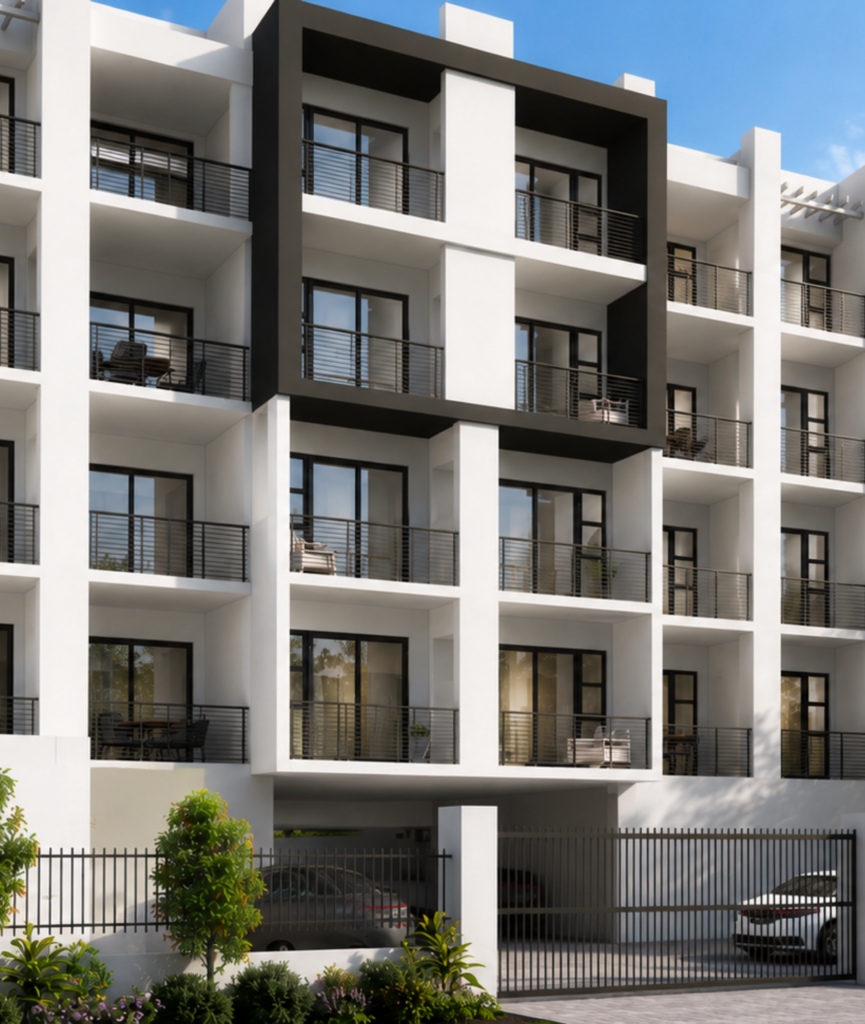
The View, Table View
This complex appeals to the tourist market. The View is a premier, new apartment block with 15 modern apartments, found in the sought-after suburb, Sunridge, Table View. The units are priced from R1,699,900. It’s very close to the idyllic Blouberg Beach. Elegant open-plan interiors lead onto generous balconies with superb views. Secure, access-controlled parking, garage, and storage options are available.

Mzuri etsate, Somerset West
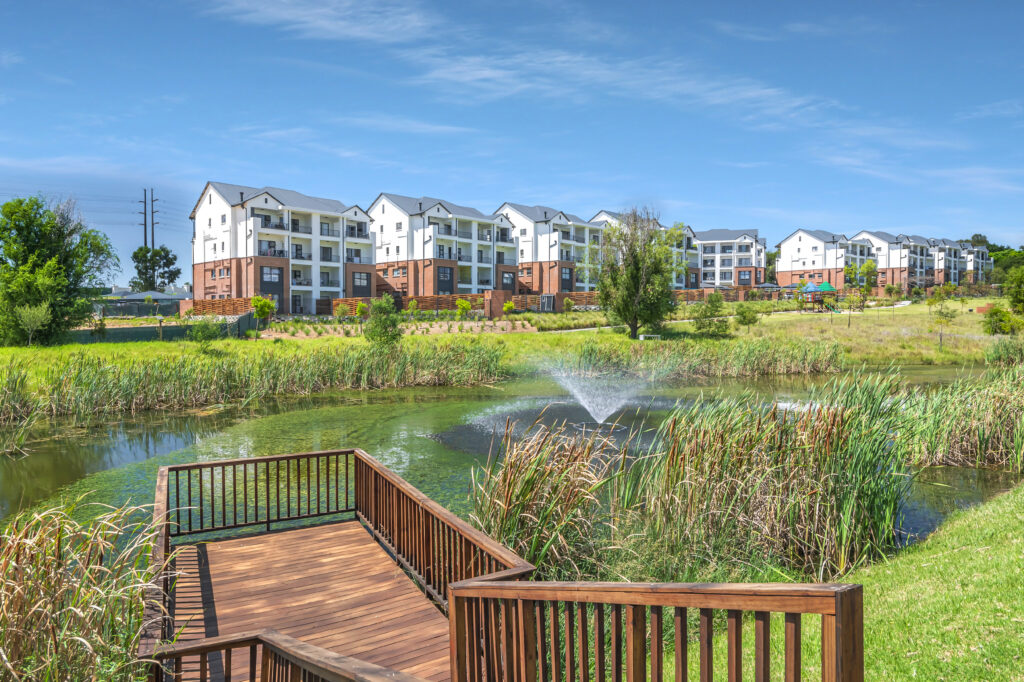
3-bedroom terraced homes and luxury 3-4 bedroom freestanding homes from R2,610,300 in the heart of the Helderberg. Modern design with home offices, perfect for digital nomads and remote workers. Walking trails, an on-site dam, and close to beaches, wine farms, and adventure sports.
The Kingsley, Mowbray
Studio apartments from R1,199,000 in Cape Town’s Southern Suburbs. Just 750m from UCT main campus, close to the medical campus and Amazon headquarters. Perfect for student accommodation or young professional rentals. Only 6 units remaining.

The Reid, Sandton
Situated in the serene landscape of Linbro Park, Johannesburg, The Reid offers you a rare combination of award-winning design and a prime Sandton address. The full-house lifestyle at the estate is completed by the 6-star green-rated lifestyle centre and ample on-site amenities. The 3-bedroom units, priced at R2,129,900, offer an excellent investment option.
Conclusion
For property investment for foreign nationals in South Africa, there is a combination of accessibility and lifestyle value. Your success relies on understanding the regulations involved, particularly SARB exchange regulations, tax obligations, and documentation requirements.
As international demand for property rises, investing in property for foreign nationals in South Africa is a key entry point into a scenic, high-potential property market.
Contact our IGrow Real Estate International Property Practitioners:
Carin Harris:
Contact Number: +27 (0)83 258 6699
Simoné Croeser:
Contact Number: +27 (0)82 557 8452
FREQUENTLY ASKED QUESTIONS
Yes. South Africa imposes no restrictions on foreign property ownership. There are no minimum or maximum purchase amounts.
If obtaining a South African home loan, foreign buyers must provide at least 50% deposit. The other 50% can be financed through a South African bank.
Typically 3-6 months from offer acceptance to transfer, though this varies based on bond approval timelines and documentation completeness.
Yes, provided you properly documented how the funds initially entered South Africa. All money must have come through authorised South African banks with complete paper trails.
While not strictly required, it’s highly recommended. If you cannot visit, arrange for professional inspections and use trusted legal representation.
Transfer duty (on purchase), annual property rates, potential capital gains tax (on sale), and income tax (if earning rental income). Consult with IGrow’s tax specialists for your specific situation.